


Blog post: Belt bag vs backpack for theme parks
For most theme park days, a belt bag wins: it stays on through rides, keeps your phone in reach, and clears locker rules. Pick a backpack only for camera gear or kids' supplies.
| Bag type | Best for | Watch out for |
|---|---|---|
| Belt bag | Rope drop to fireworks with the essentials | Small capacity, needs packing discipline |
| Sling or crossbody | A water bottle plus one light layer | Can swing forward on coasters |
| Small backpack | Camera gear, kids' snacks, multiple bottles | Comes off for most big rides |
The real trade-off at the security line
Every park morning asks the same question: how much do you want to carry for twelve hours? A backpack holds more and spreads the weight across both shoulders. A belt bag holds less and disappears into your outfit.
The deciding factor is usually how many times you plan to open it. If you reach for your phone, your pass, or your sunscreen more than a dozen times a day, the bag you can reach without taking it off wins. That is the whole argument in one sentence.
What a backpack gets right
Backpacks earn their place when the day has a job attached. A camera body with two lenses, a change of clothes for a water ride, snacks for three kids, and a refillable bottle each add up fast. Two padded straps carry that weight better than one strap across your chest, and a structured back panel keeps the load off your spine on a long walk from the parking lot to the gate.
They also handle weather. A poncho, a small umbrella, and a dry bag for electronics fit in a 15 to 20 liter pack with room left over, and you can zip everything away before a Florida afternoon storm rolls in.
The costs show up in the small moments. A backpack comes off for most big rides, which means a locker rental or a bin at the loading platform. It sits on the floor during shows and blocks the guest behind you when you leave it on. In July, the panel against your back turns into a heat pad.
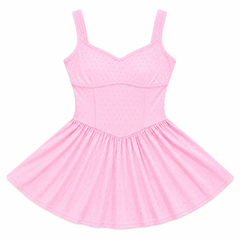
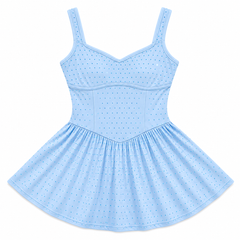
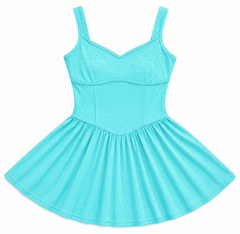
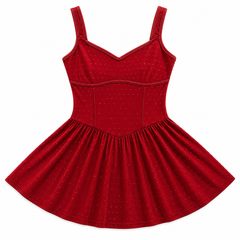
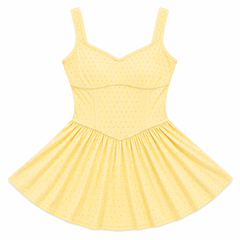
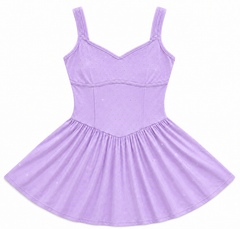
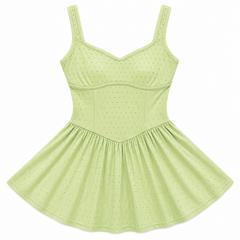
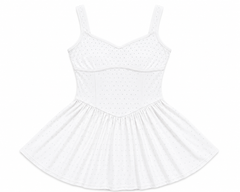
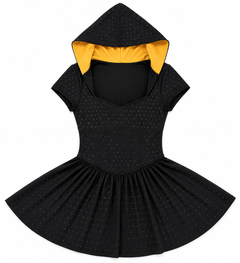
There is a style cost too. A fitted, corset-inspired dress and two padded straps fight each other all day. The straps land right where the rhinestone detailing is meant to be seen, and you spend the afternoon hitching the bag back into place for photos.
Why a belt bag wins most park days
Most park days are not camera days. They are phone, card, pass, lip balm, sunscreen, and a snack days. That list fits in a belt bag, and a belt bag never leaves your body. Many coasters let you keep a snug one at your waist while a backpack has to be stowed, so you skip the locker line entirely.
Hands-free matters more than people expect. You need both hands for a churro, a popcorn bucket, a child's hand, and a phone camera at the parade. A bag that rides at your hip keeps all four of those possible at once.
Access is the quiet advantage. Your phone lives in a front pocket at your hip, so the photo of the castle happens in two seconds instead of ten. At security, a belt bag opens flat and closes fast.
Versatility closes the case. A bag that converts from belt bag to crossbody to sling covers the whole day: snug at the waist for coasters, across the body for a sit-down dinner, slung over one shoulder for the walk back to the hotel.
What to look for in a park belt bag
- Three ways to wear it. Belt, crossbody, and sling modes cover rides, meals, and the walk home without a second bag.
- A front pocket sized for a phone. Quick access is the entire point, so the phone pocket should sit at your hip, not behind a zipper maze.
- A strap you can tighten one-handed. You will adjust it at every ride, sometimes while walking.
- A color that matches your dress. A coordinated bag reads as part of the outfit in photos instead of an afterthought.
- Overstuffing it. A bulging bag will not sit flat against your hip and starts to slide on every step.
- One giant compartment. Everything sinks to the bottom and you end up digging at the gate with a line behind you.
- Long dangling straps. Loose webbing catches on ride restraints and drags in puddles.
How to pack a belt bag for a 12-hour park day
- Start with the phone and the park pass. These two go in the front pocket you can reach without looking down.
- Add one card and a little cash. A single card covers almost everything, and cash helps at the few stands that slow down.
- Roll a poncho instead of folding it. A rolled poncho takes a third of the space and pulls out in one motion.
- Decant your sunscreen. A travel bottle or a stick beats a full-size tube, and you will actually reapply it at 2 p.m.
- Pack lip balm, a hair tie, and a scrunchie. Wind and humidity undo a hairstyle by lunch, and a rhinestone scrunchie keeps it in the theme.
- Leave one pocket empty. You will pick up a souvenir, a pin, or a snack, and you want somewhere to put it.
If your dress already has built-in shorts with hidden phone pockets, your phone can ride at your thigh and the bag holds everything else. That combination is the lightest a full park day gets.
Matching your belt bag to your park outfit
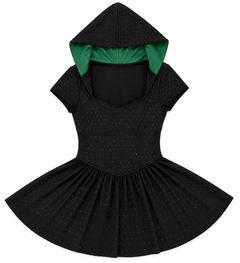
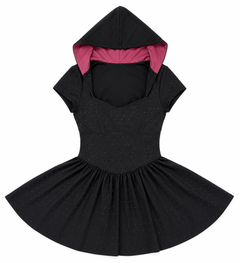
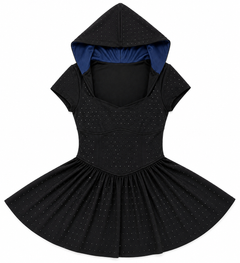
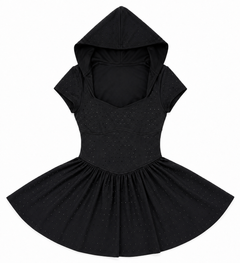
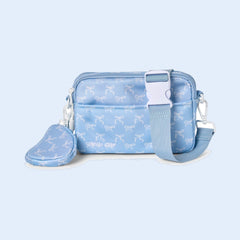
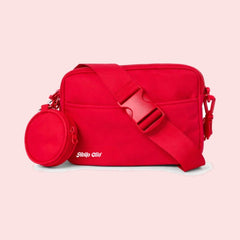
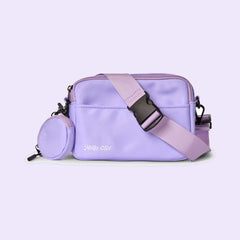
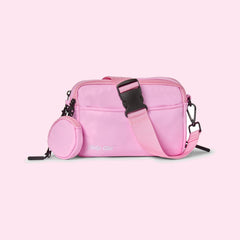
The Perfect Park Belt Bag in Bluebell Spritz was made to sit alongside The Glass Slipper, Happily Ever After, and The Raven, so the bag and the dress read as one look rather than two purchases. It wears as a belt bag, a crossbody, or a sling, which is the same bag doing three jobs across one day.

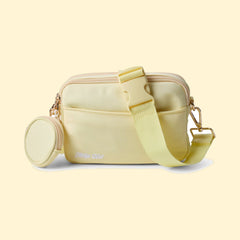
Color matching is the fastest way to make a park outfit look intentional. A pink bag with a pink dress, a lavender bag with a lavender dress, a butter yellow bag with a golden yellow dress. The pairing does the work, and the rhinestone detailing on the dress carries the sparkle.

One more thing worth knowing: a belt bag stows easily when a ride requires it, which is why it pairs so well with a dress that already has pockets. You carry less, you open the bag less, and you spend more of the day looking at the park instead of at your straps.
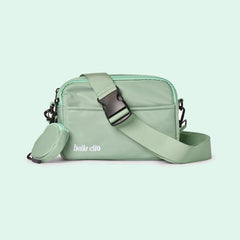
 The Perfect Park Belt Bag in Mint Chip Milkshake$68.00
 The Perfect Park Belt Bag in Butter$68.00
 The Perfect Park Belt Bag in Lavender Crème$68.00
Frequently asked questions
Is a belt bag or a backpack better for Disney parks?
For a standard one-day visit, a belt bag is better for most guests. It stays on through many rides, keeps your phone and pass within reach, and needs no locker stop. A backpack is better when you carry camera gear, multiple water bottles, or supplies for young children.
Can you wear a belt bag on theme park rides?
Many coasters allow a snug belt bag or fanny pack worn at the waist, and some ask you to tuck it under your shirt or turn it to your side. Rules vary by park and by ride, so check the posted sign at each attraction and follow the attendant's direction.
What size bag is allowed in theme parks?
Most parks publish a bag size limit and a list of prohibited items, and soft-sided bags are generally easier to stow than hard-sided ones. Check the specific park's rules before you go, since the numbers differ between Disney, Universal, and regional parks.
Do you need a locker if you bring a backpack?
Not always, but expect to use one on the biggest coasters and water rides. A small backpack fits in a standard locker, and lockers can be rented for a few hours or a full day. A belt bag usually removes the need entirely.
What should go in a park belt bag?
Phone, park pass, one card, a little cash, a travel-size sunscreen, lip balm, a hair tie, a rolled poncho, and one snack. Leave a pocket empty for a souvenir, and refill your water bottle at a fountain rather than carrying a full-size one.